
Supporting Communication with PODD
Communication is a fundamental part of our lives. It shapes how we connect, learn, and express ourselves. For many children and adults with disabilities, finding effective ways to communicate can be a challenge. That’s where PODD workshops for communication come in. These workshops offer practical tools and strategies that open doors to meaningful interaction and learning.
At CPEC, based in Glen Waverley, Melbourne, we are passionate about supporting individuals with disabilities through specialised therapy and training. Our PODD workshops are designed to empower families, carers, educators, and allied health professionals with the skills they need to foster communication and independence.
Understanding PODD Workshops for Communication
PODD stands for Pragmatic Organisation Dynamic Display. It is a communication system that uses books or electronic devices with symbols and words arranged in a way that makes it easier for people with complex communication needs to express themselves. The system is tailored to each individual, allowing them to share thoughts, needs, and feelings in a way that suits them best.
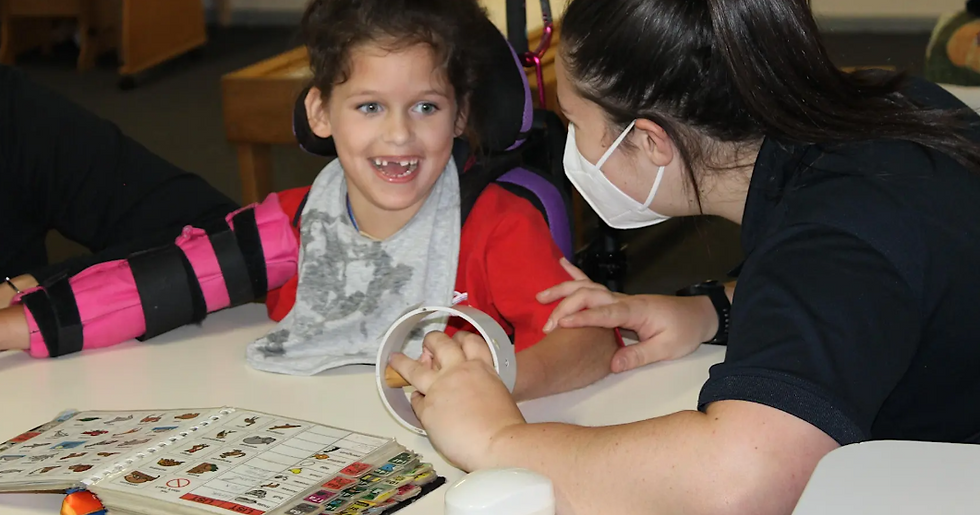
Our PODD workshops for communication focus on teaching participants how to use these tools effectively. We cover everything from setting up communication books to strategies for encouraging interaction. The workshops are hands-on and interactive, ensuring that everyone gains confidence in using PODD in real-life situations.
For example, a parent might learn how to help their child request favourite toys or activities using a PODD book. An educator could discover ways to integrate PODD into classroom routines, making learning more accessible. These practical skills make a real difference in daily life.
How PODD Workshops Support Communication
The impact of PODD workshops goes beyond just learning a new system. They give individuals a voice. When communication barriers are lowered, people feel more included and understood. This leads to increased confidence, better relationships, and greater independence.
One of the most rewarding parts of running these workshops is seeing the progress participants make. For instance, a young adult who struggled to express basic needs might start using PODD to share ideas and make choices. Families often report feeling more connected and less frustrated because they can understand each other better.
The workshops also provide ongoing support. We encourage participants to practice regularly and offer follow-up sessions to address challenges and celebrate successes. This continuous learning approach helps embed communication skills into everyday life.
What are the alternatives to PODD?
While PODD is a powerful communication tool, it is not the only option available. Some individuals may benefit from other augmentative and alternative communication (AAC) methods depending on their needs and preferences.
Here are a few alternatives to consider:
Picture Exchange Communication System (PECS) - This system uses pictures to help individuals communicate by exchanging images for desired items or actions.
Speech Generating Devices (SGDs) - Electronic devices that produce spoken words when symbols or text are selected.
Sign Language - A visual language using hand signs and gestures, suitable for those who can use or understand it.
Communication Apps - Various apps designed for tablets and smartphones that offer customisable communication options.
Each method has its strengths, and sometimes a combination works best. The key is to find the approach that fits the individual’s abilities and lifestyle. Our workshops help guide families and professionals in making informed choices.

Practical Tips for Using PODD at Home and in the Community
Implementing PODD communication tools can feel overwhelming at first, but with the right approach, it becomes a natural part of daily life. Here are some practical tips to help you get started:
Start Small: Introduce a few key symbols or pages that relate to everyday needs like food, drink, or favourite activities.
Be Consistent: Use the PODD book or device regularly during routines such as mealtimes, play, or outings.
Encourage Interaction: Prompt the individual to use the communication system by asking questions or offering choices.
Celebrate Successes: Praise attempts to communicate, no matter how small, to build confidence and motivation.
Involve Everyone: Make sure all family members, carers, and educators know how to support communication using PODD.
Adapt and Expand: As skills grow, add more vocabulary and pages to the communication book or device.
Remember, patience and encouragement are key. Communication is a journey, and every step forward is a victory.
Supporting Learning for Life with PODD Workshops
At CPEC, our mission is to support learning for life. We believe that communication is the foundation for all learning and personal growth. By offering specialised PODD workshops, we provide the tools and knowledge needed to unlock potential and create opportunities.
Whether you are a parent, carer, educator, or allied health professional, these workshops equip you with practical skills and confidence. You become part of a supportive community focused on inclusion and empowerment.
If you want to explore how PODD can make a difference, consider joining one of our podd communication workshops. Together, we can open new pathways for connection and understanding.
Unlocking communication potential is a journey worth taking. With the right support and tools, every individual can find their voice and thrive. PODD workshops offer a compassionate, effective way to make that happen. Contact us today to find our more on [email protected].
